What We Do
From a snapped spring to a full door replacement - one local crew, upfront pricing.
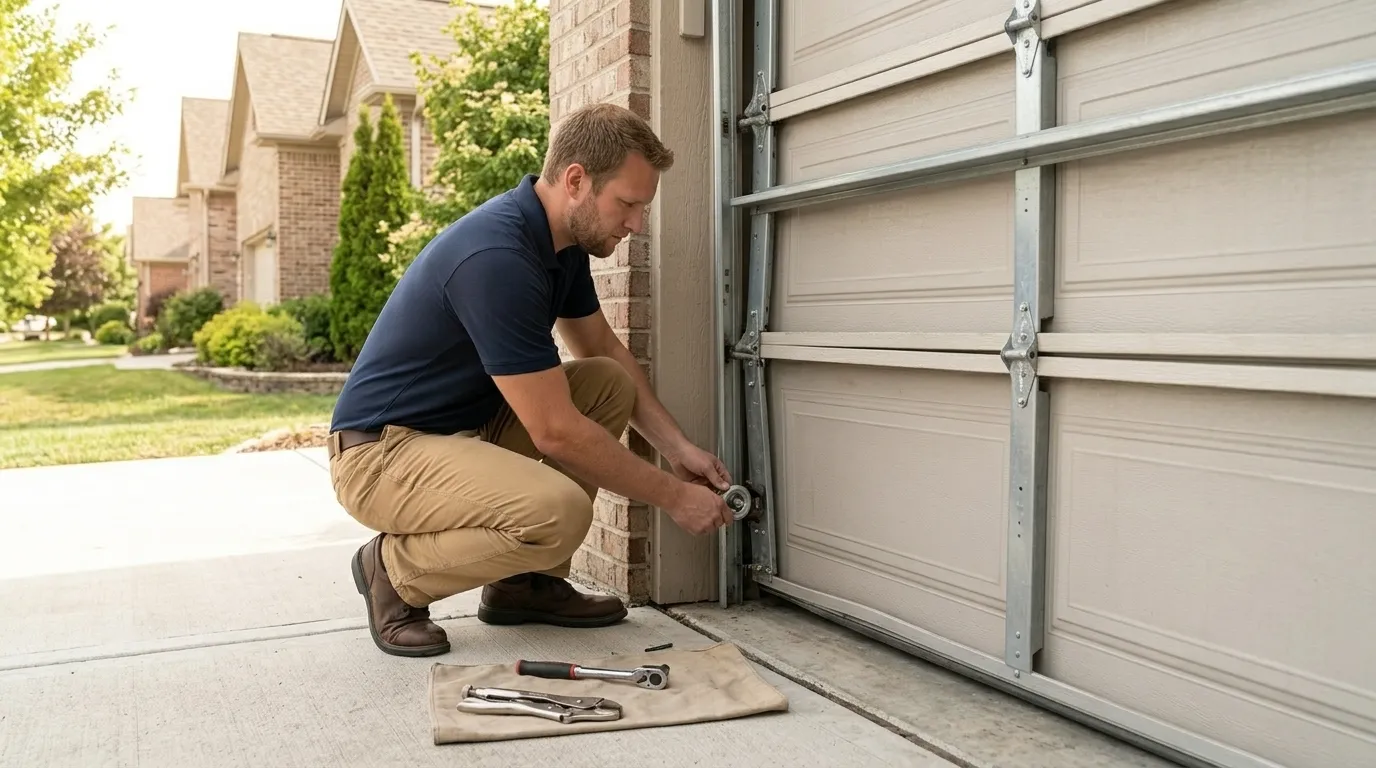
Off-track doors, snapped cables, bent panels and grinding openers - diagnosed and fixed.
Learn more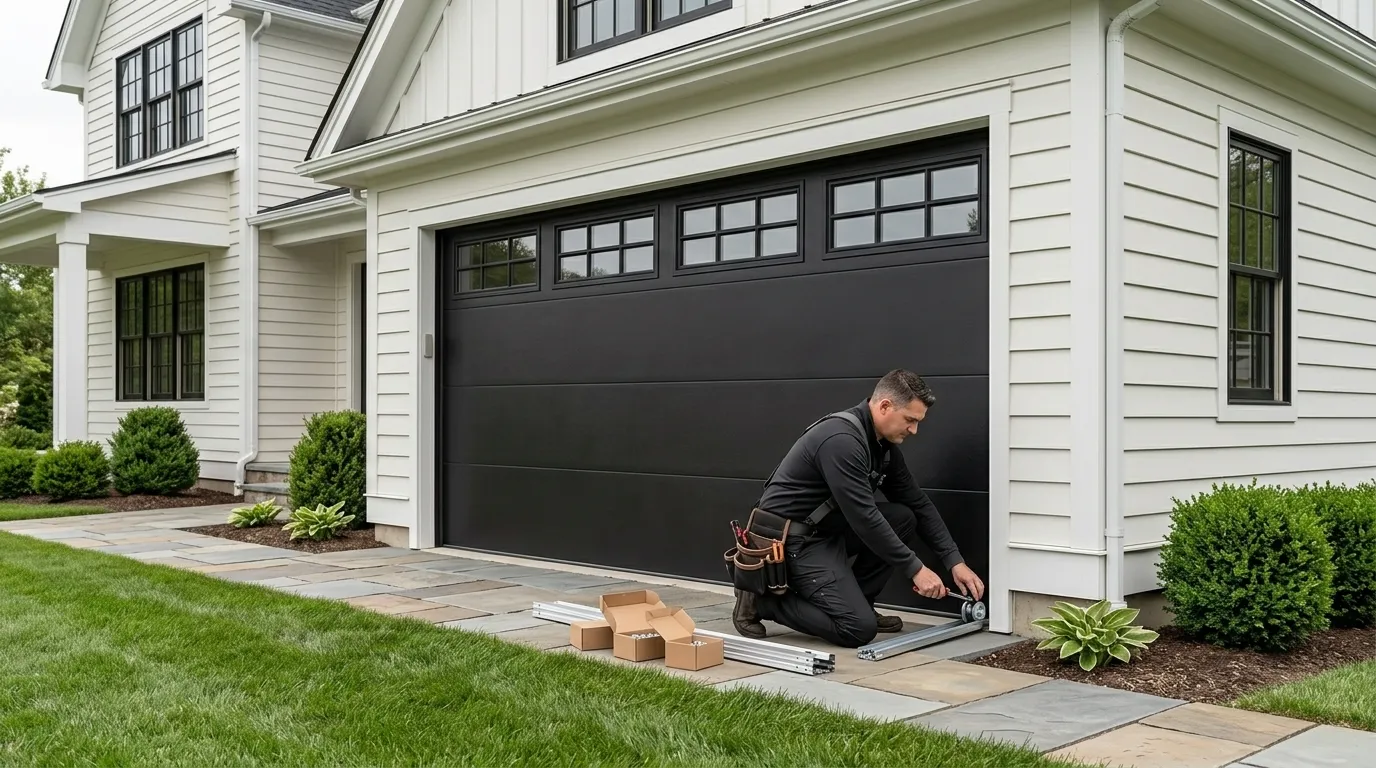
Torsion and extension springs replaced safely - the job you should never DIY.
Learn more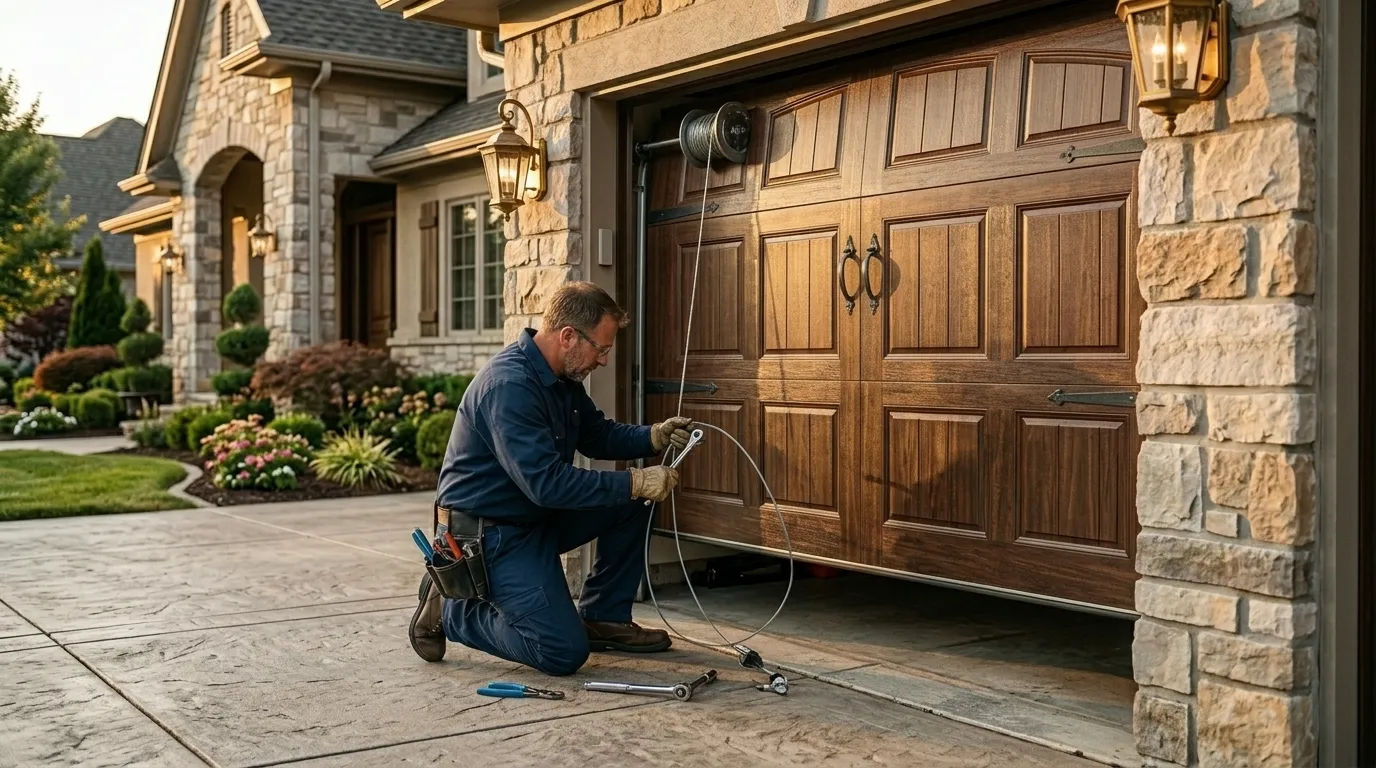
Doors jumped the track re-set, aligned and re-tensioned so they run true.
Learn more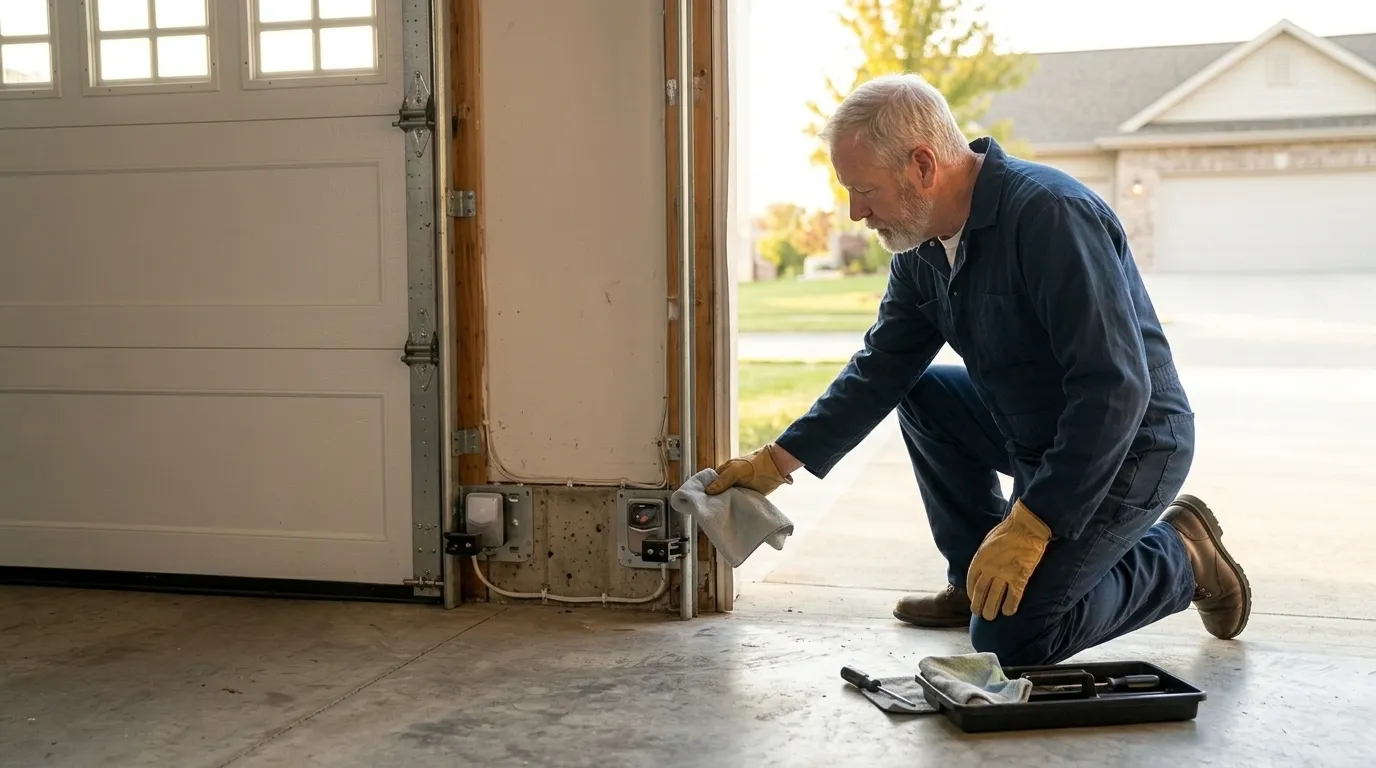
24/7 same-day help for a door that's stuck, off-track or won't secure.
Learn more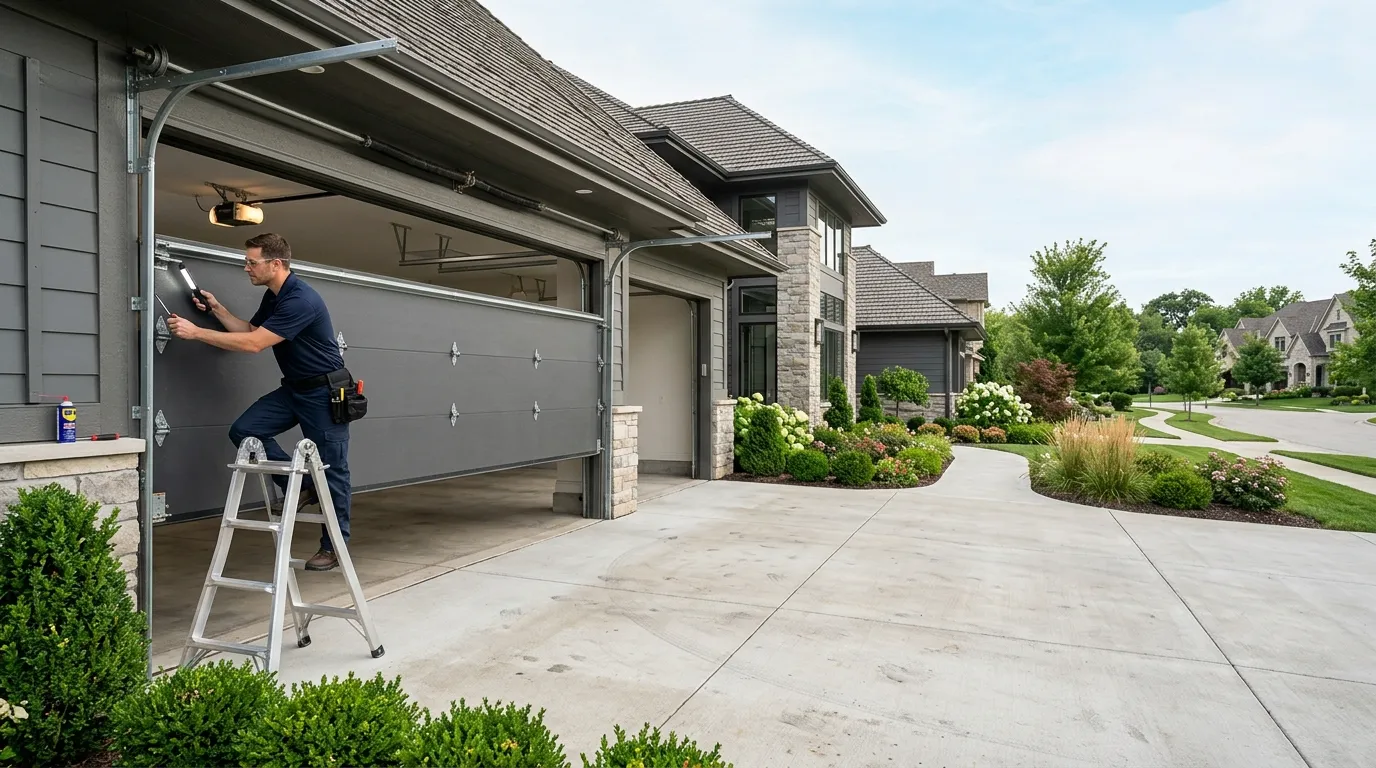
Dented or cracked sections swapped for a match without replacing the whole door.
Learn more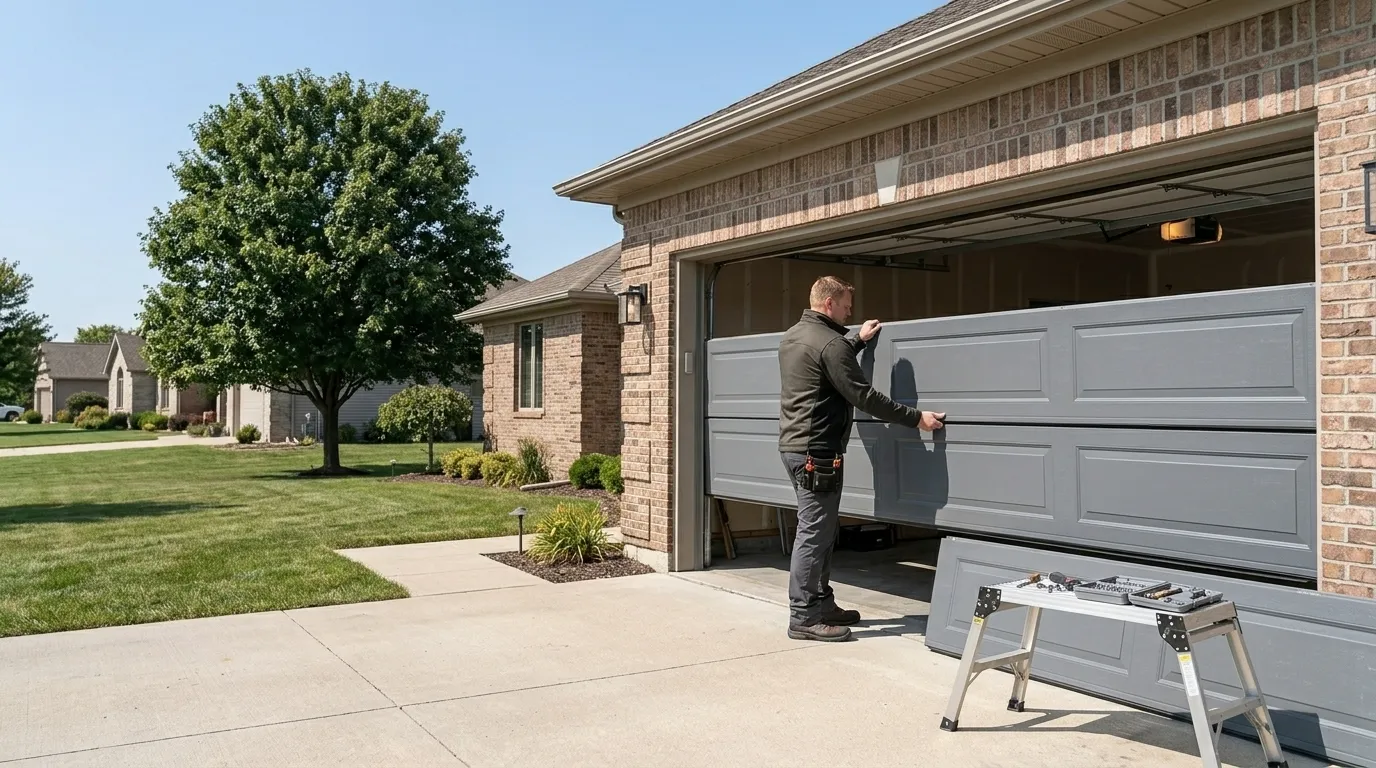
Duluth homes built between 1962 and 1994 often run original garage door hardware not rated for our cold-severe winters. Here's what a real install involves.
Learn moreFast Response
A stuck or broken garage door can't wait. Call before the afternoon and we can usually be out the same day - most repairs are diagnosed and finished on the first visit, with an upfront price before any work starts.
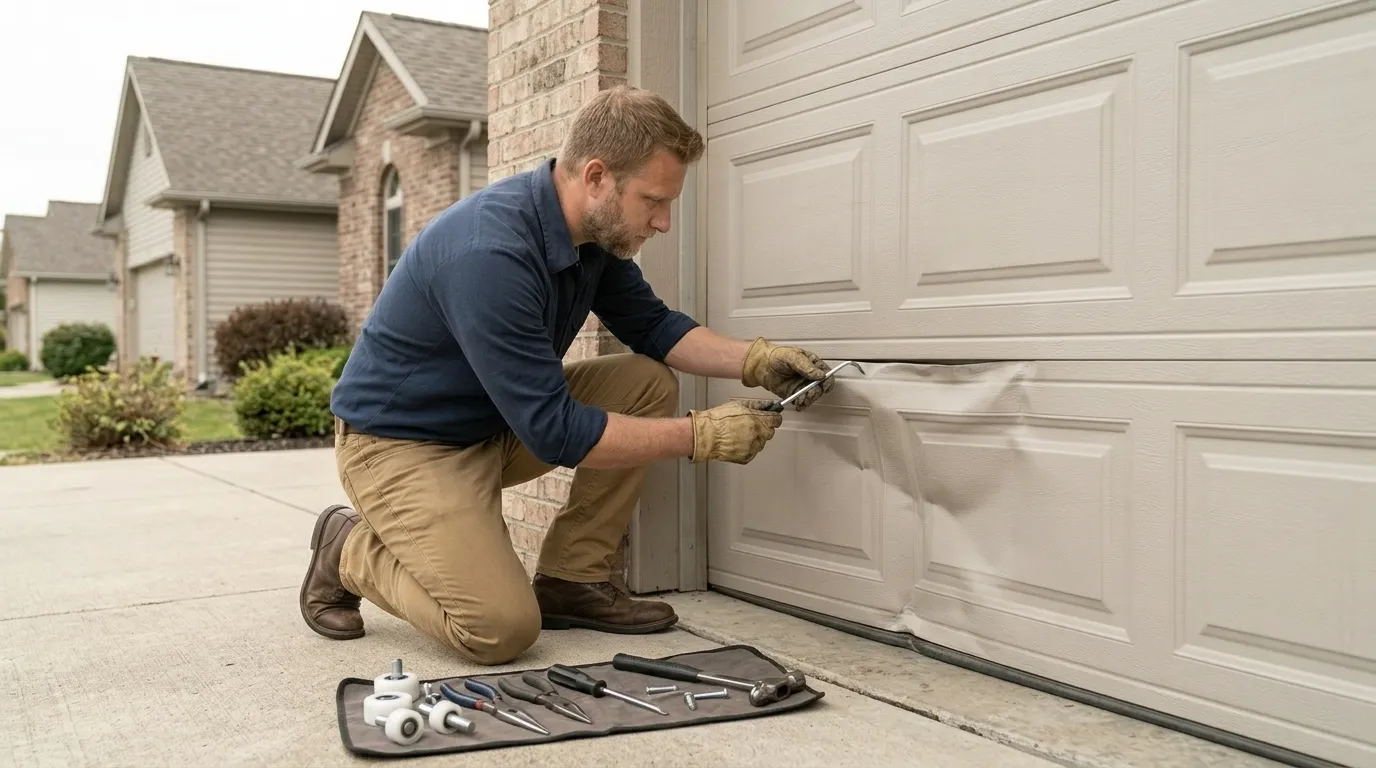 Same-day service
Why Duluth Calls Us
How It Works
Call or request a quote and describe what the door is doing - noise, off-track, won't open.
A tech inspects the springs, tracks, opener and panels and gives you a written price first.
Most repairs are done on the same visit; installs are scheduled around you.
Our Work
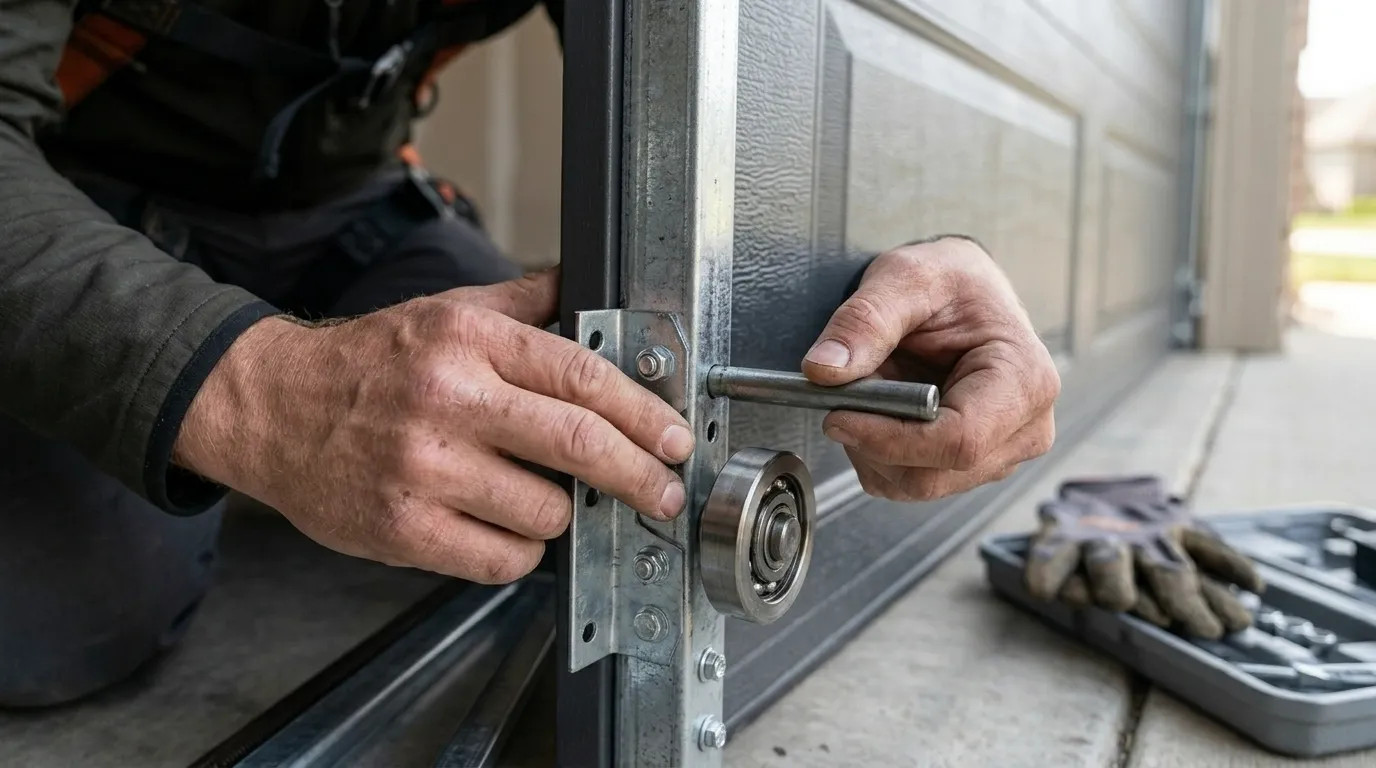
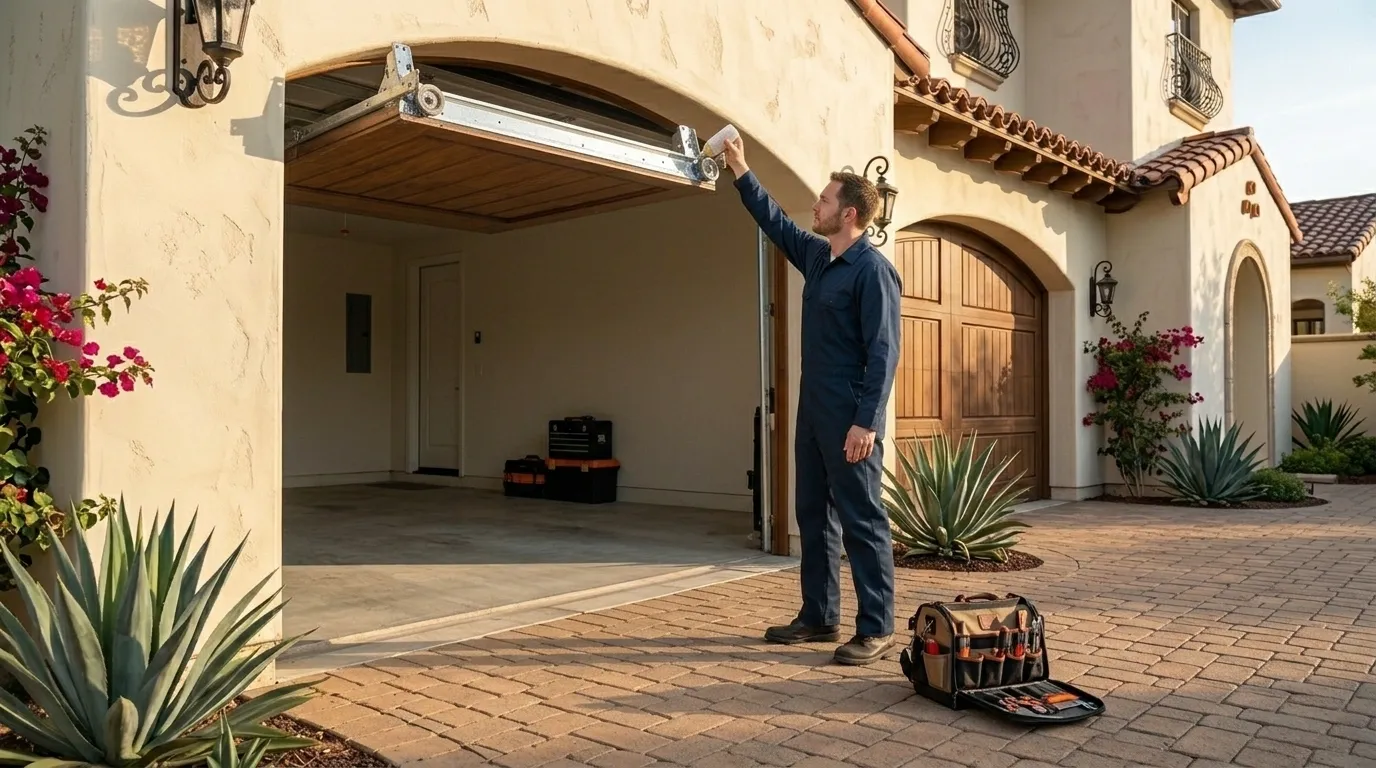
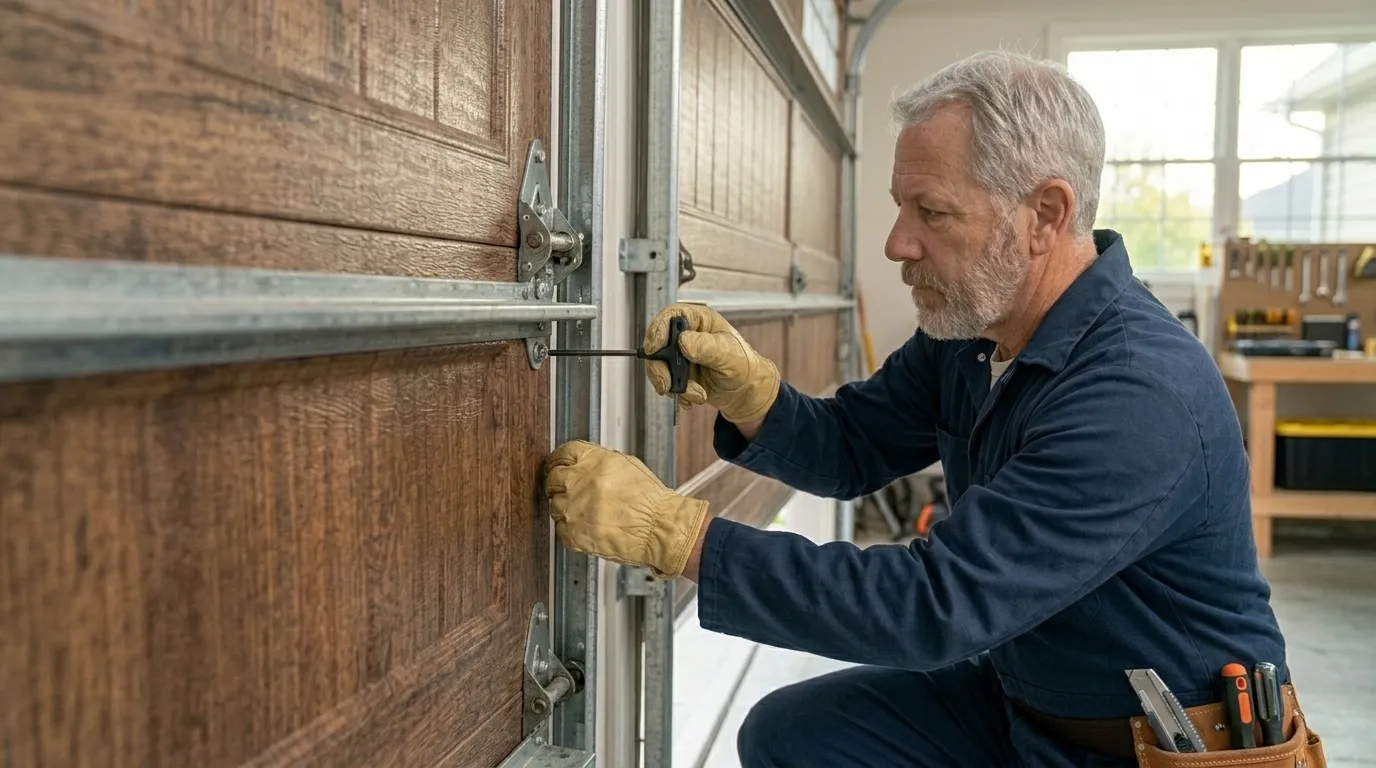
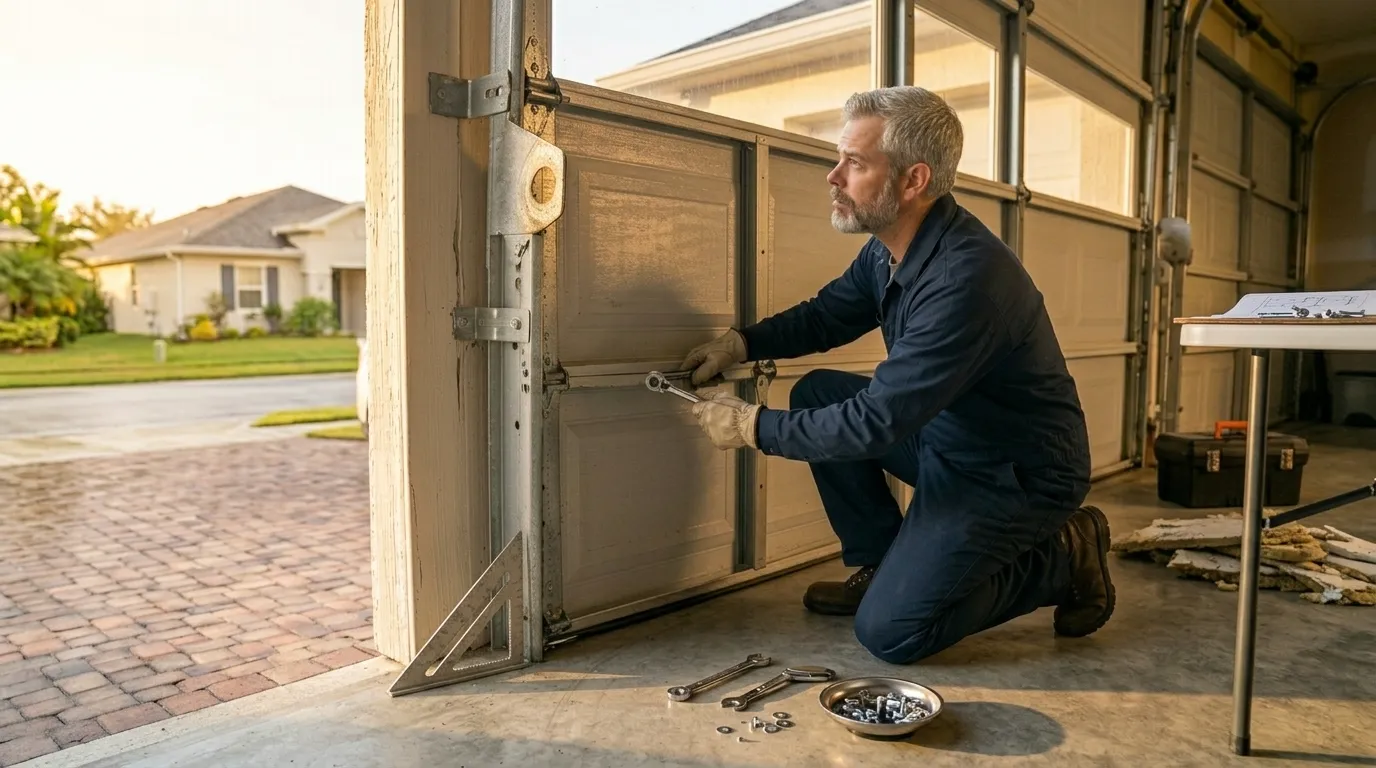
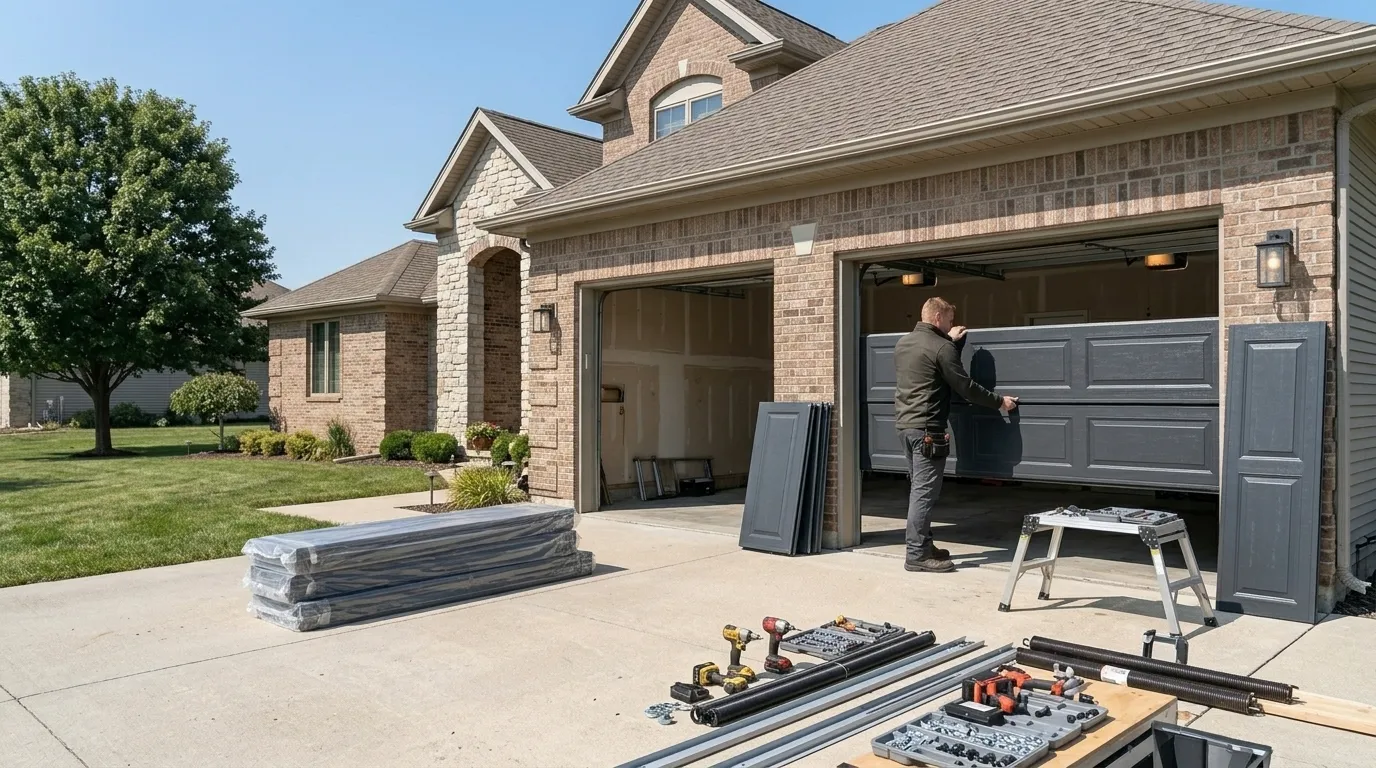
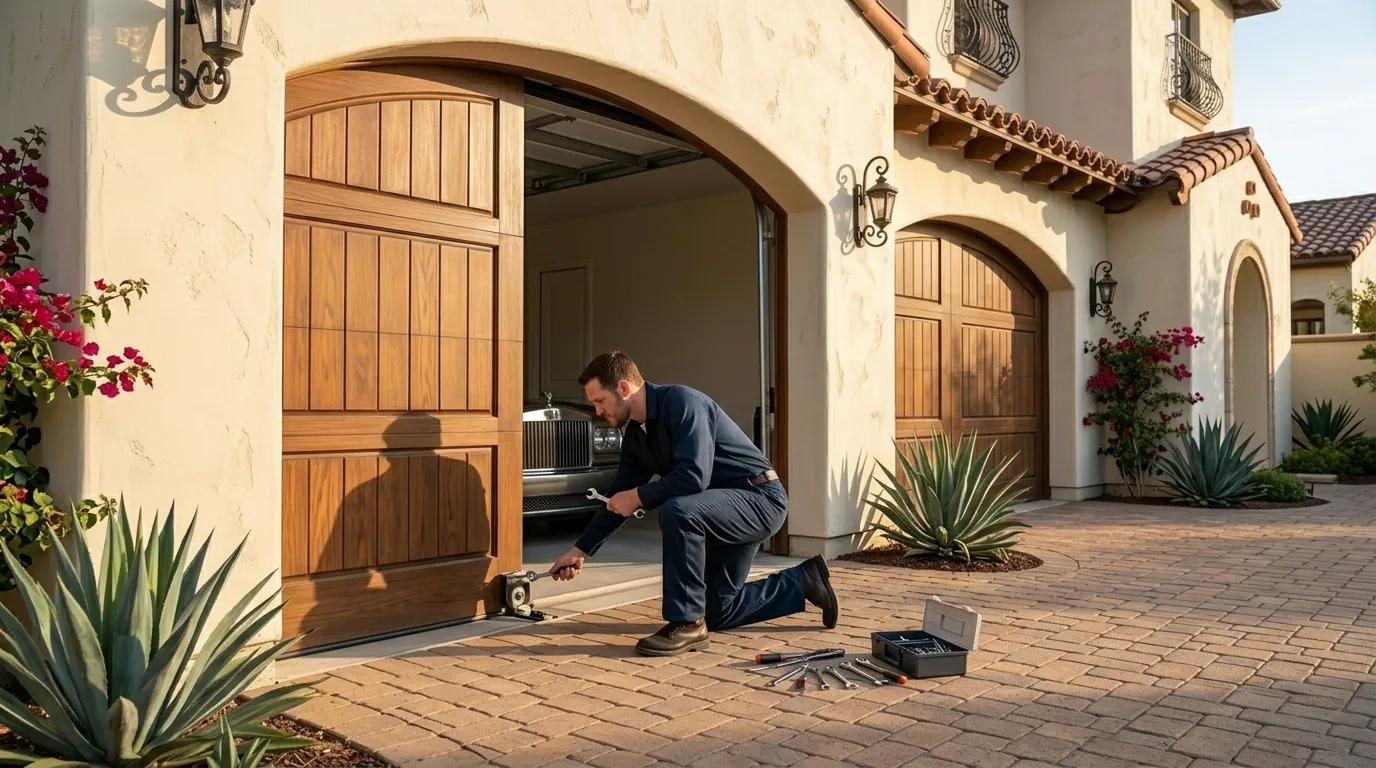
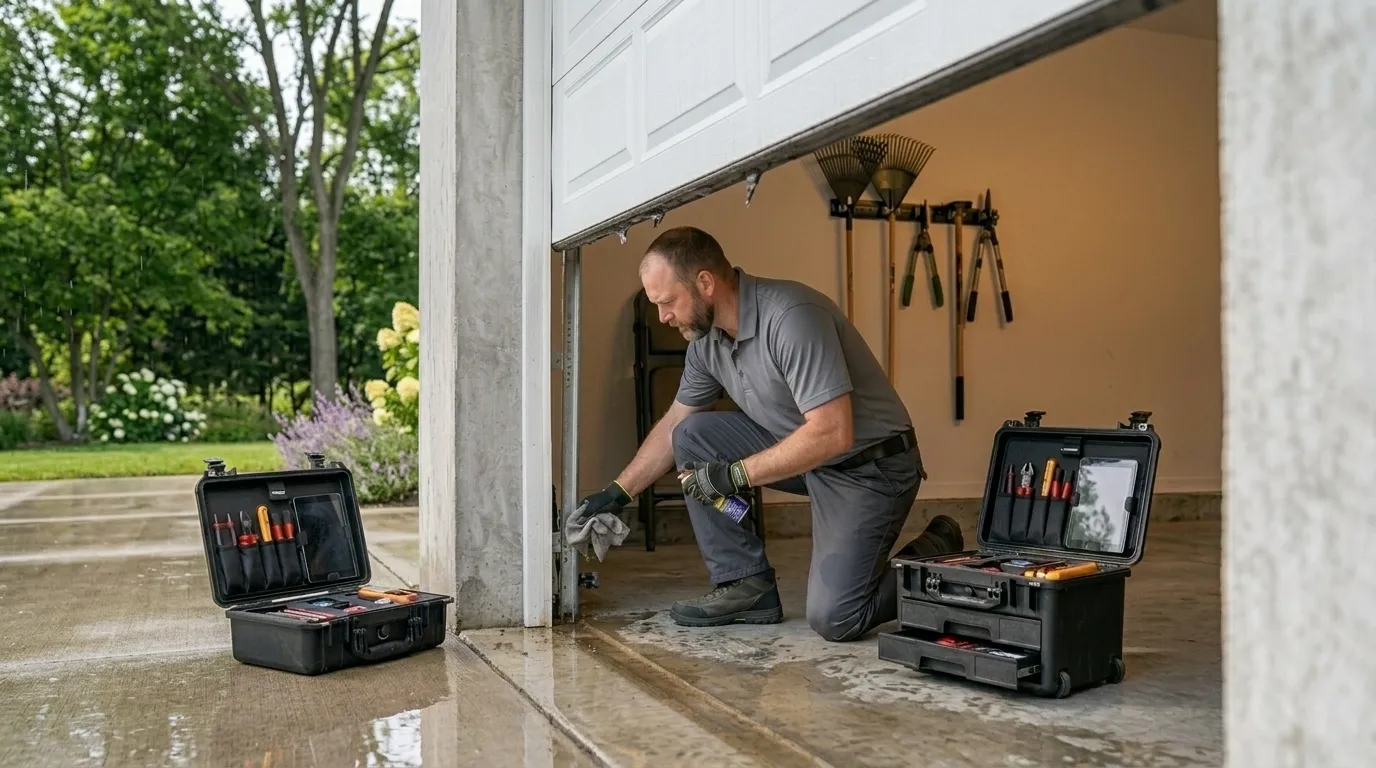
A look at doors, openers and springs we've installed and serviced across the Duluth metro.
Where We Work
Neighborhoods across the city and suburbs around the metro. Not sure if we reach you? Just ask.
Local Expertise
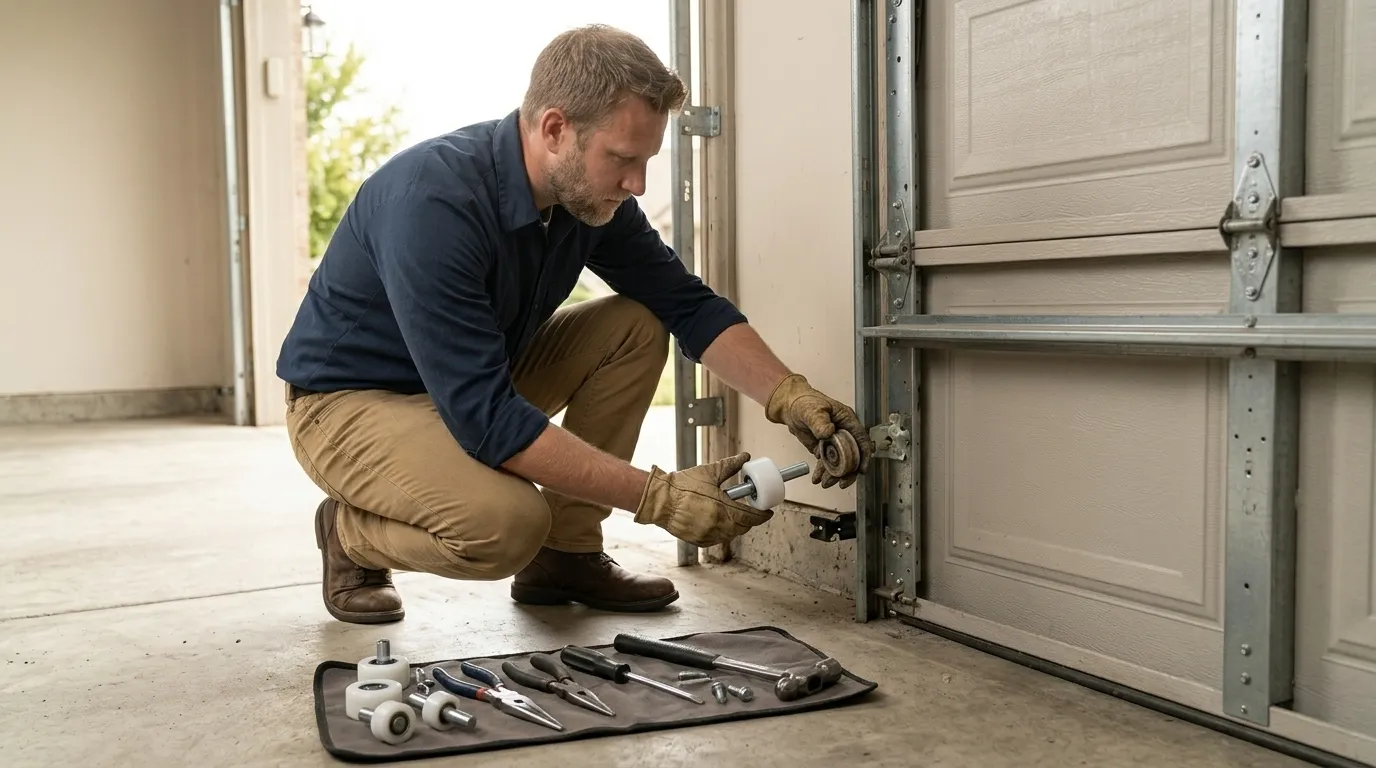
We don't quote a number over the phone without seeing the door, and here's why. A double-car torsion spring job on a house built in the 1970s isn't the same job as a single door with an opener from 2015. The age of your hardware matters more than the size of the door. In a lot of Duluth's older housing stock, the track and drum sizes don't match what's on the shelf at the big box store, so a repair can take longer or need a part ordered in.
What drives the cost on any given visit: whether the spring, cable, or opener is the actual failure point; whether the track is bent or just out of adjustment; and whether the door itself is original to the house or a replacement. Cold-climate wear is a factor too - a torsion spring that's cycled through Duluth winters for forty-plus years has usually earned its retirement before a spring in a milder climate would.
We'll tell you on site what we're looking at and what it costs before we touch anything. If a repair doesn't make sense next to replacement, we'll say that plainly instead of running up a bill on a door that's better off swapped out.
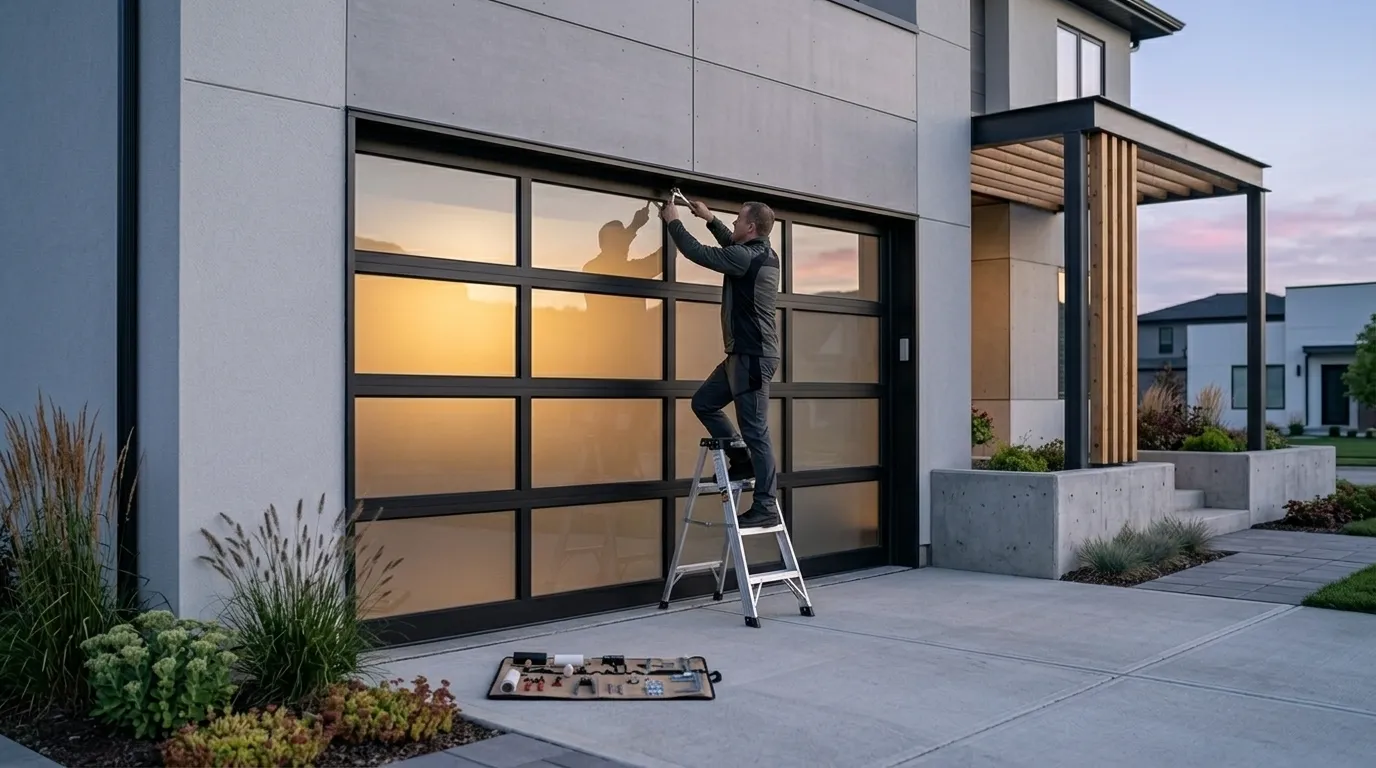
Most of the houses we work on went up between 1962 and 1994, with the median build year landing around 1974. That's the case across the nine named areas we cover, from Lincoln Park and Piedmont Heights to Duluth Heights and Hunters Park - mostly 1960s and 70s stock, garage and all.
What that means on a service call: a lot of original single-layer steel doors, side-mounted torsion springs sized to specs that stopped being common decades ago, and openers that have been swapped once or twice since the house was built but tracks that haven't. If your garage door still has the heavier gauge steel and the older-style drum, it's probably original, and it's probably closer to the end of its working life than the middle.
Newer construction in pockets of the service area brings different problems - extension springs instead of torsion, lighter panels, openers with sensors that fail before the mechanical parts do. We see both generations of hardware regularly, which matters because parts for a 1974 door and parts for a 2005 door aren't interchangeable, and knowing which one you've got before we show up saves everyone time.
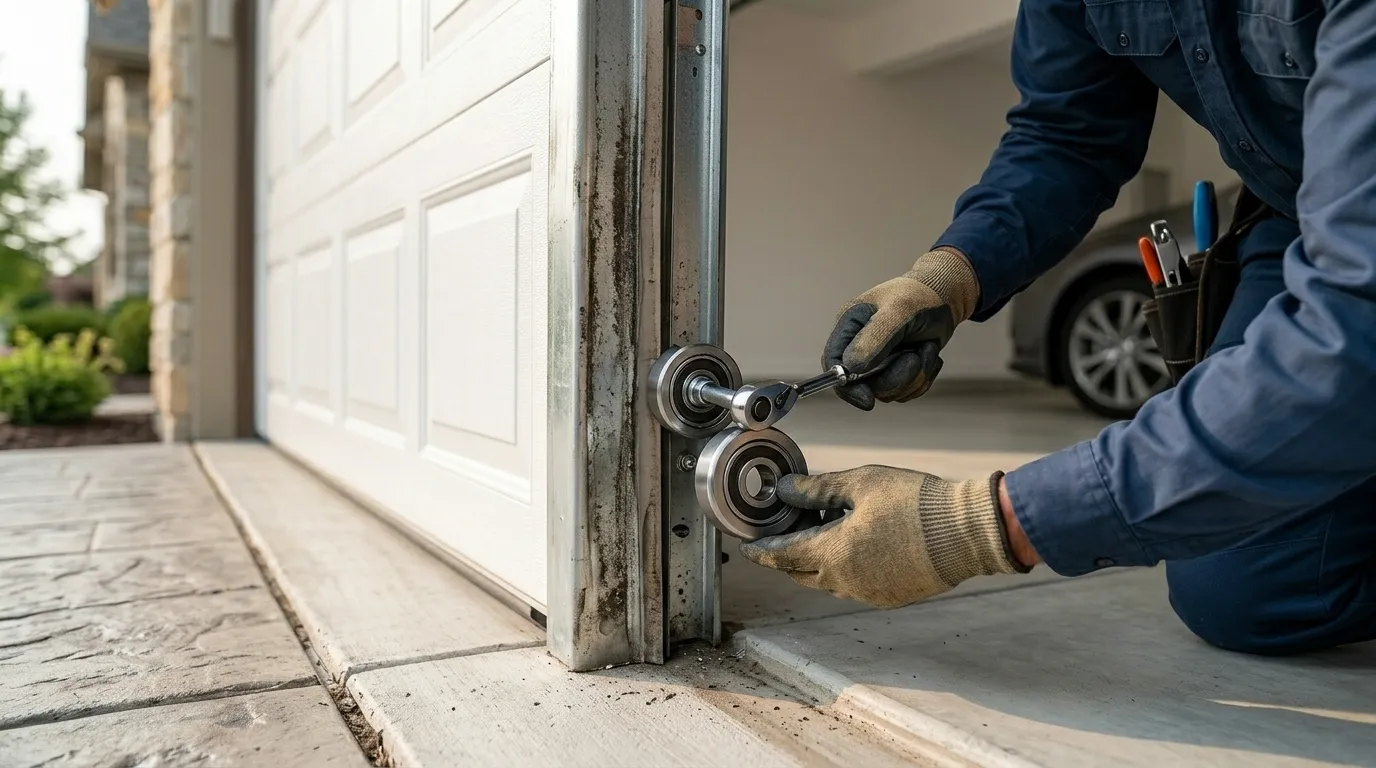
You call, tell us what the door is doing - won't open, makes a bang, opener runs but the door doesn't move - and we get a sense of whether it sounds like a spring, a cable, a track issue, or the opener itself. We come out, look at the door in person, and walk you through what's actually wrong before we start any work.
Most repairs - spring replacement, cable, roller, track alignment, opener swap - get done in a single visit. The honest limitation here: if your door needs a part that isn't a standard stock size, which happens more often on the older doors common in this area, that part can take a few days to arrive. We'll tell you that up front rather than promise a same-day fix we can't back up.
We test the door under load before we leave - full open, full close, auto-reverse if the opener has it - because a door that looks fine sitting still can still bind or drop under its own weight. If something needs a follow-up, we say so.
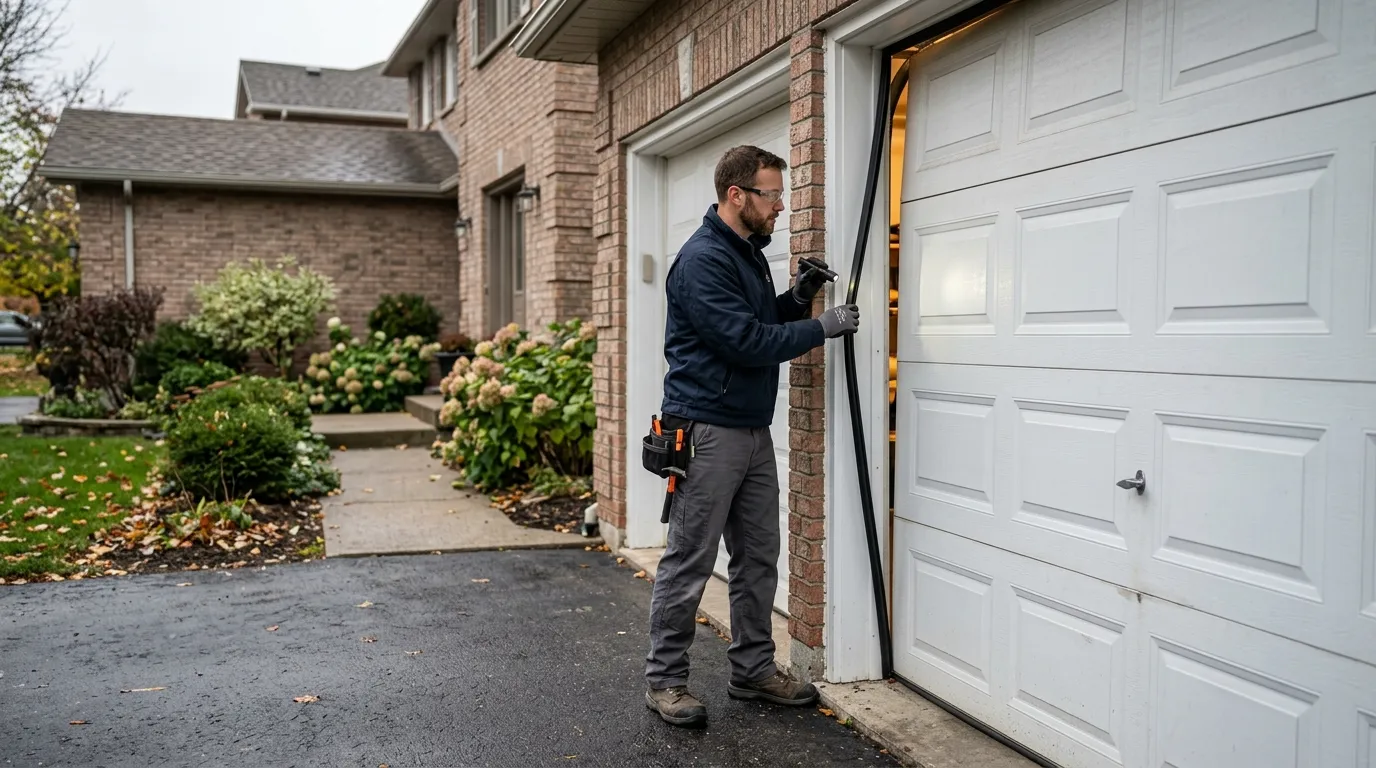
We work throughout Duluth and the surrounding service area, including Lincoln Park (1 mi SSW), Rice's Point (1 mi ESE), Piedmont Heights (2 mi WNW), Duluth Heights (2 mi NNW), Downtown-Waterfront (2 mi ENE), Central Hillside (2 mi NE), East Hillside (3 mi NE), Irving (4 mi SSW), and Hunters Park (5 mi NE).
We also take calls from Congdon Park (5 mi NE), Proctor (5 mi), Hermantown (5 mi), Lakeside/Lester Park (7 mi NE), Rice Lake (9 mi), Pike Lake (10 mi NW), North Shore (11 mi NE), Esko (12 mi), Carlton (16 mi), Wrenshall (16 mi), Cloquet (18 mi), and Mahnomen (19 mi).
If you're not sure whether your address falls inside our range, call and ask - it usually comes down to drive time, not a hard boundary.
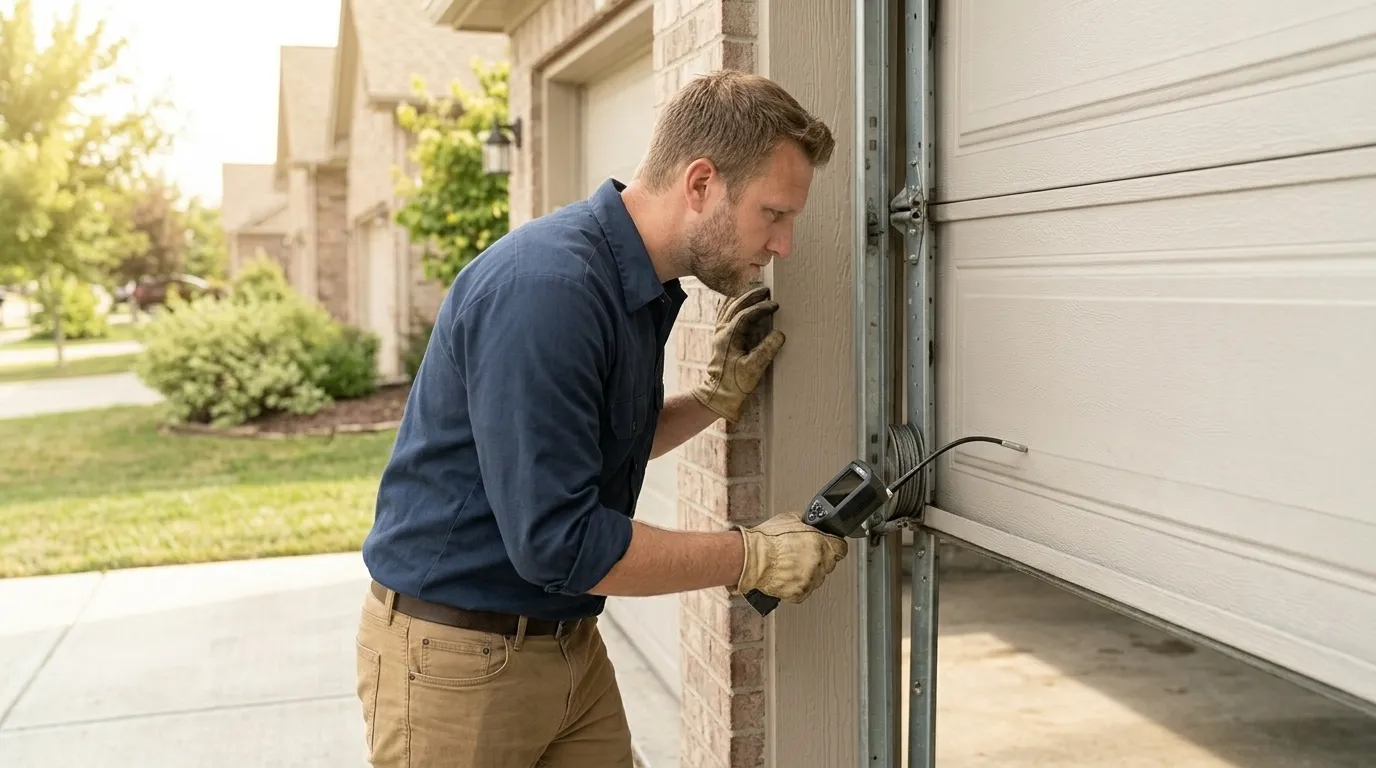
Broken torsion springs top the list, and it's not close. In a COLD-severe climate like this one, steel contracts and expands through hard freeze-thaw cycles all winter, and springs that have been doing that since the 1970s eventually snap - usually on the coldest morning of the week, which is its own kind of bad luck.
After springs, we see a lot of track misalignment on older single-car doors where the original hardware has shifted slightly over fifty-plus years of settling, plus cable fraying on doors that never got a spring replacement to match. Openers are the third category - a lot of original mechanical openers have been swapped for chain or belt-drive units at some point, and those newer units sometimes get paired with the old, heavier steel doors they weren't quite sized for.
With a median household income of $86,469 across the service area, most owners we talk to decide to repair rather than replace when the door itself is sound - new spring, new cable, new rollers, and the door's good for years more. Full replacement makes more sense when the panels themselves are dented, rusted through, or warped, which we'll tell you honestly if that's what we find.
Good to Know
Torsion springs cycle thousands of times a year, and cold steel is more brittle than warm steel. In a COLD-severe climate, the temperature swings put more stress on a spring than the same door would see somewhere milder. Most springs here fail between 7 and 12 years, sooner if the door is original to a 1970s house and never replaced.
It's common. A lot of the housing in this service area dates to 1962-1994, median around 1974, and plenty of those garages still have the original steel door and torsion hardware. If yours has heavier-gauge panels and an older-style spring drum, it's likely original and worth having checked.
Yes, both are within our service range - Hermantown and Proctor are each about 5 miles out. If you're further, like Cloquet or Carlton, give us a call and we'll confirm drive time before scheduling.
Standard springs, cables, and rollers we usually have on the truck. Less common sizes, which show up more on older 1960s-70s doors, can take a few extra days to source. We'll tell you at the visit if that's the case rather than guess.
Call now or request a free quote - same-day service on most repairs, upfront written pricing.